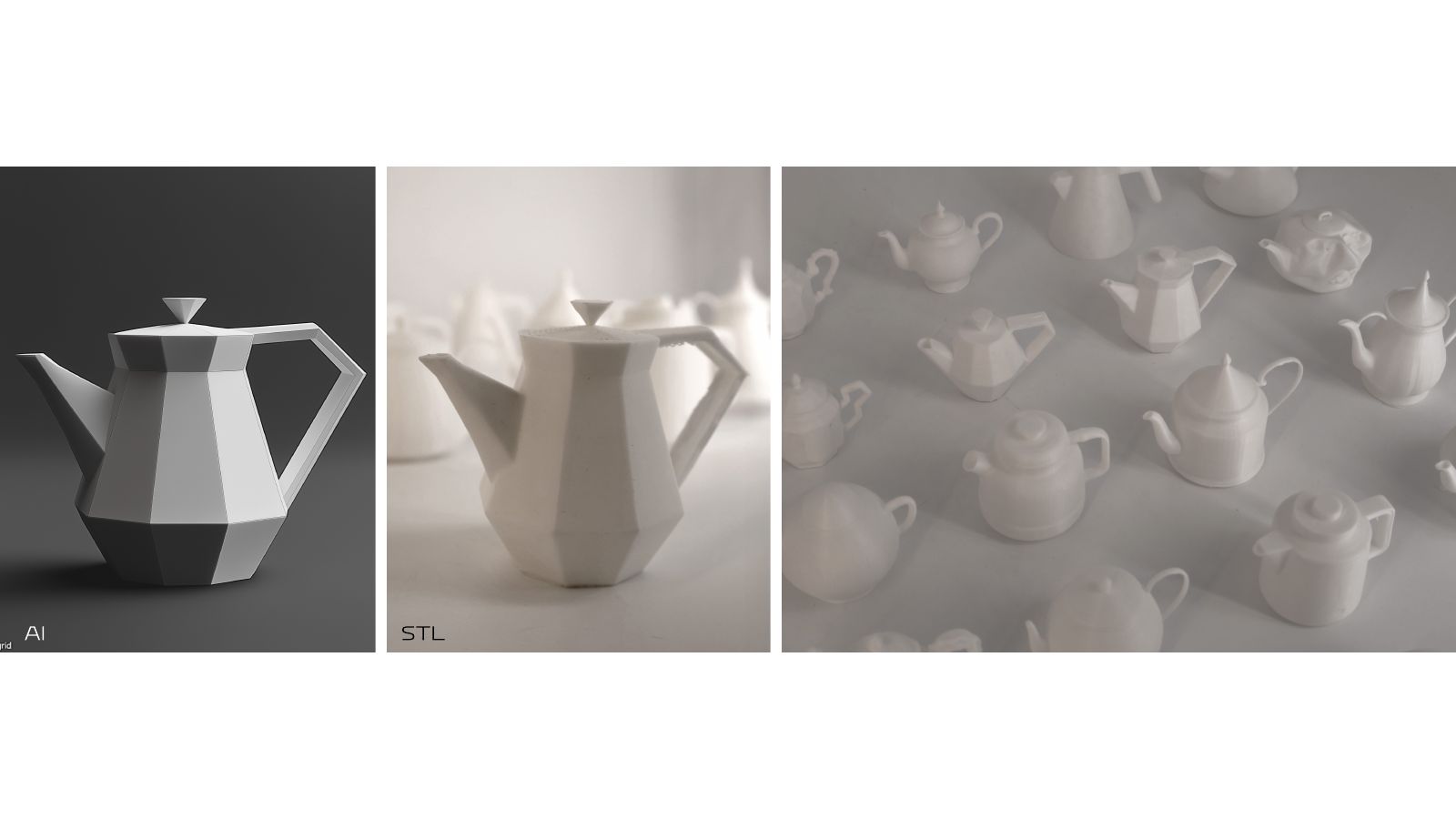
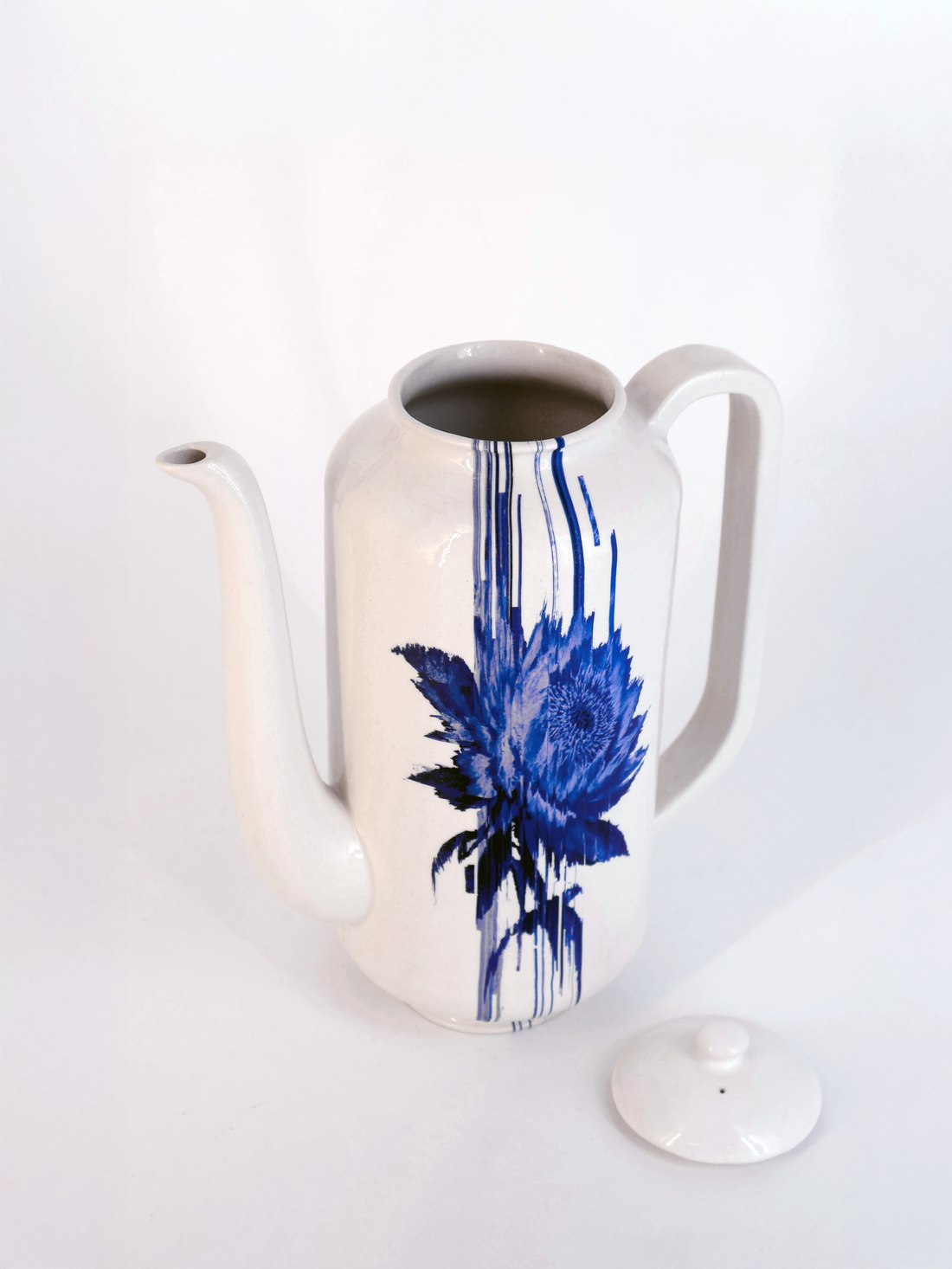
Glitched Teapot
What?
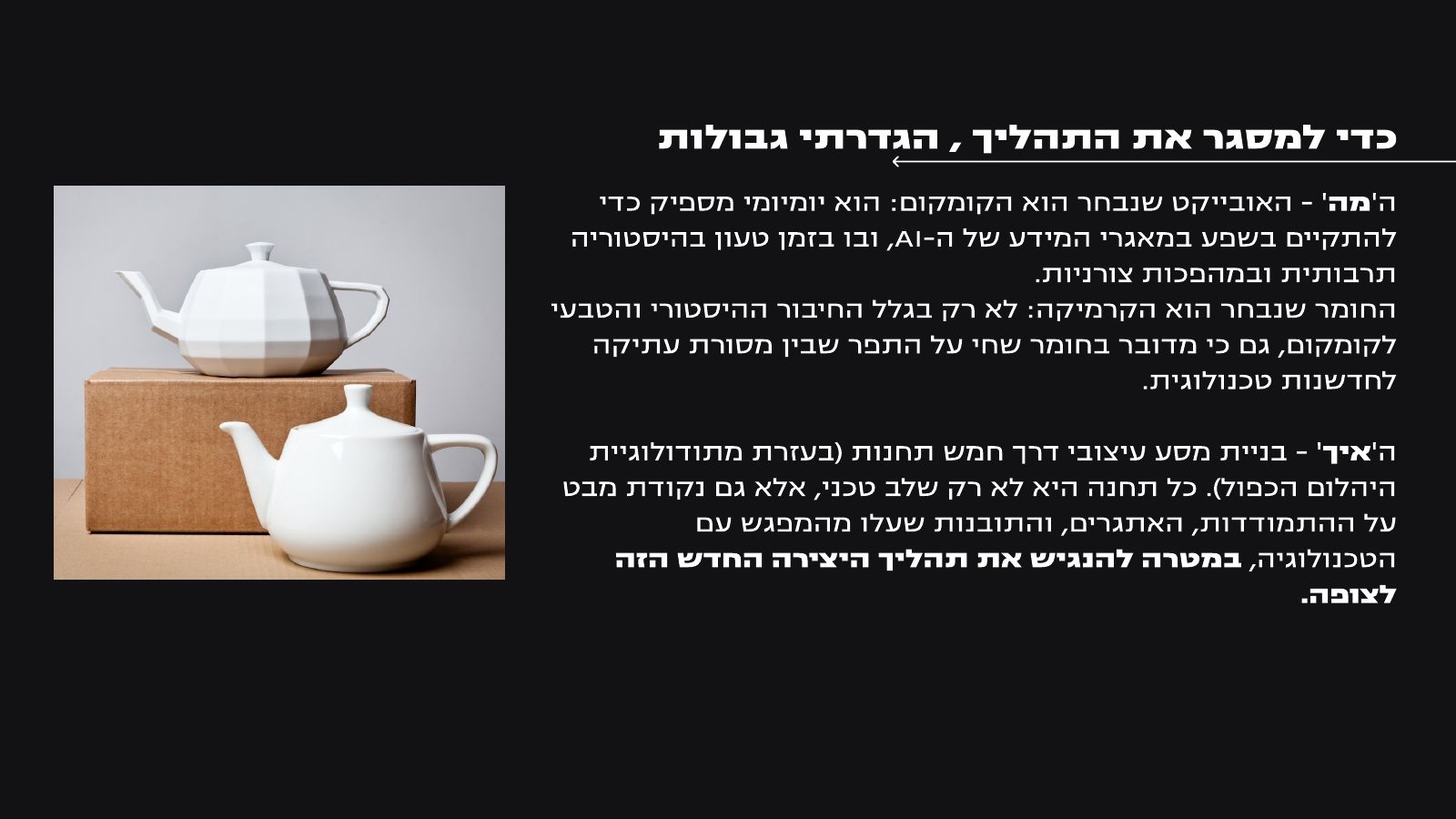
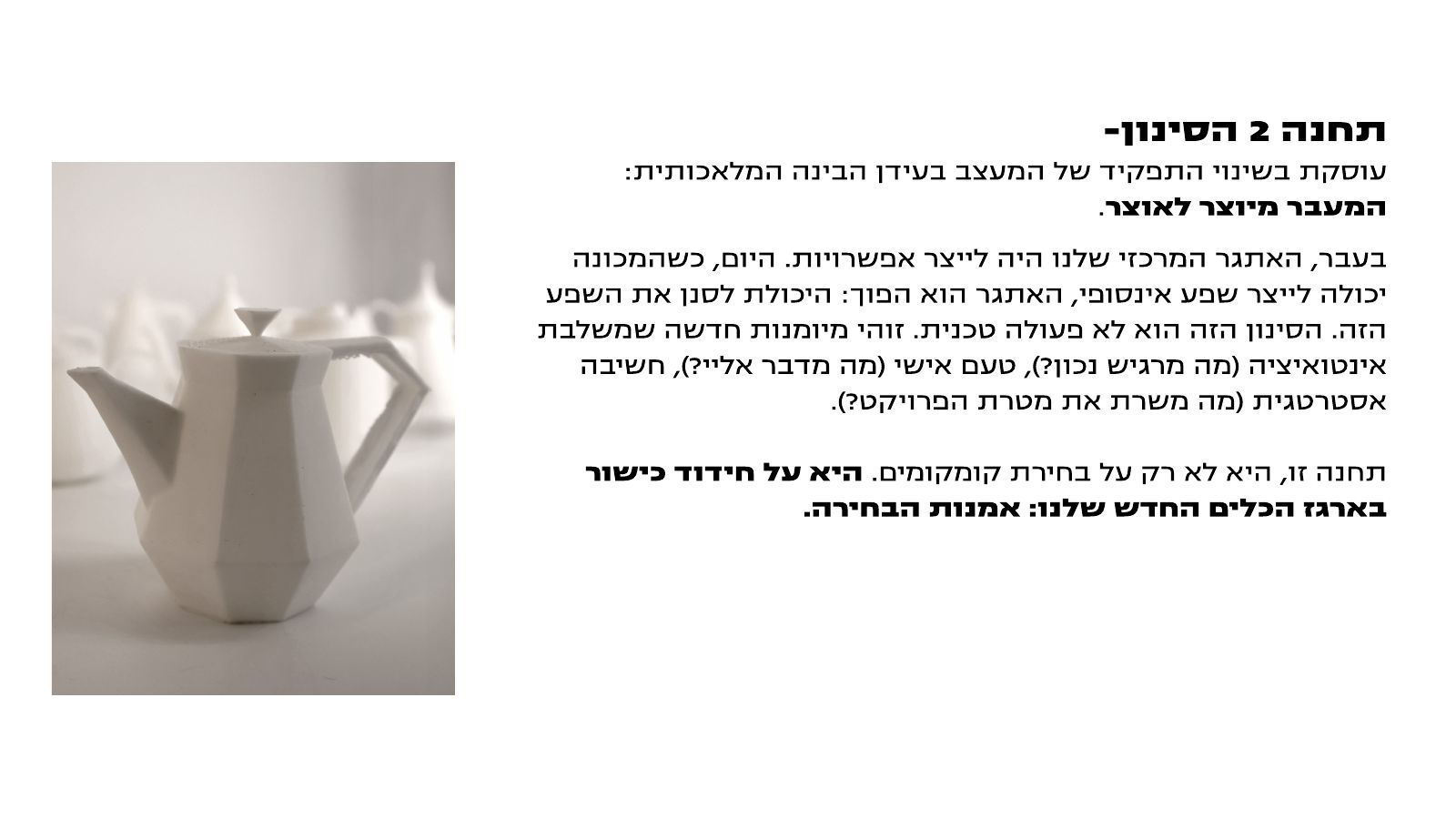
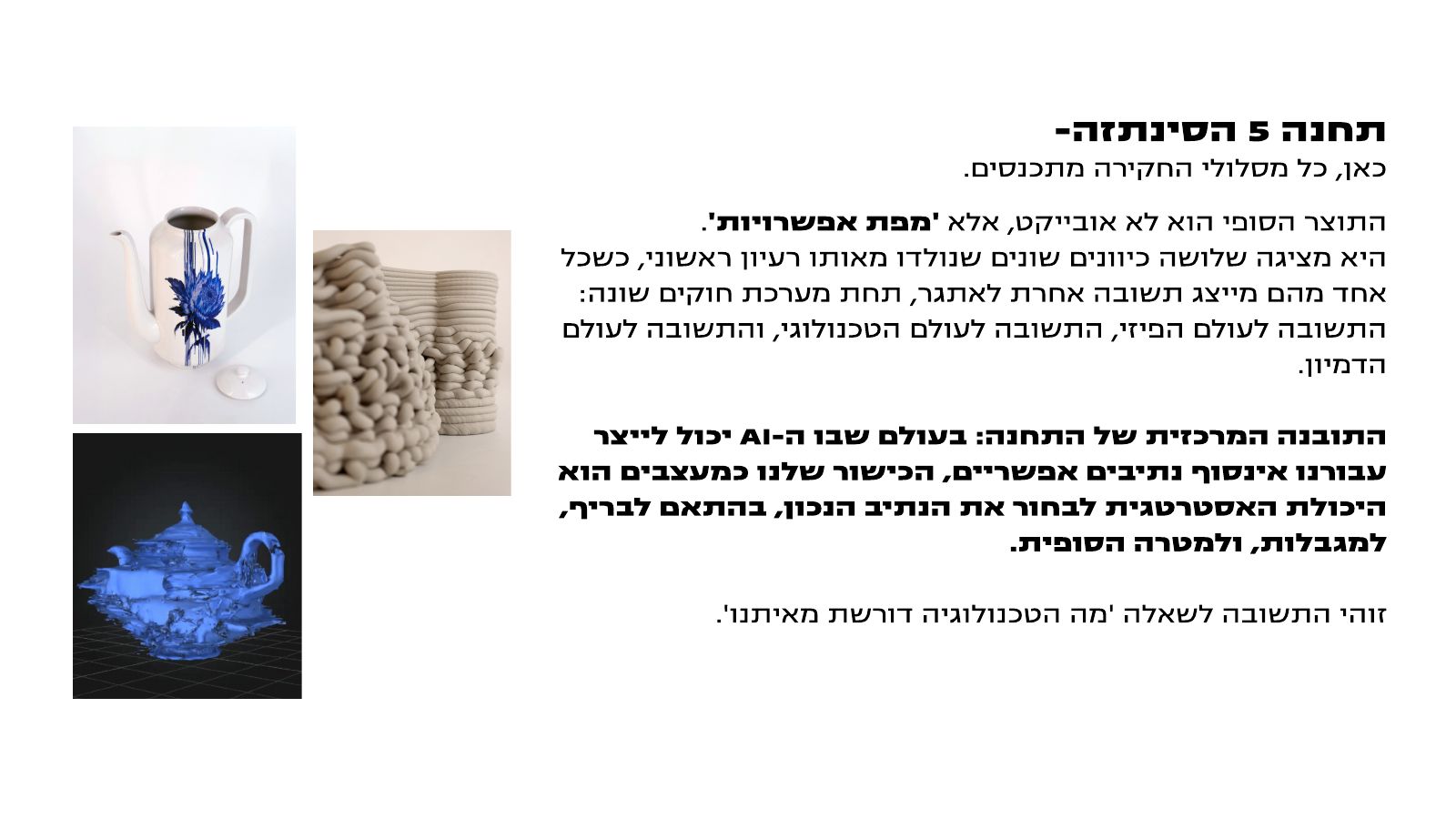
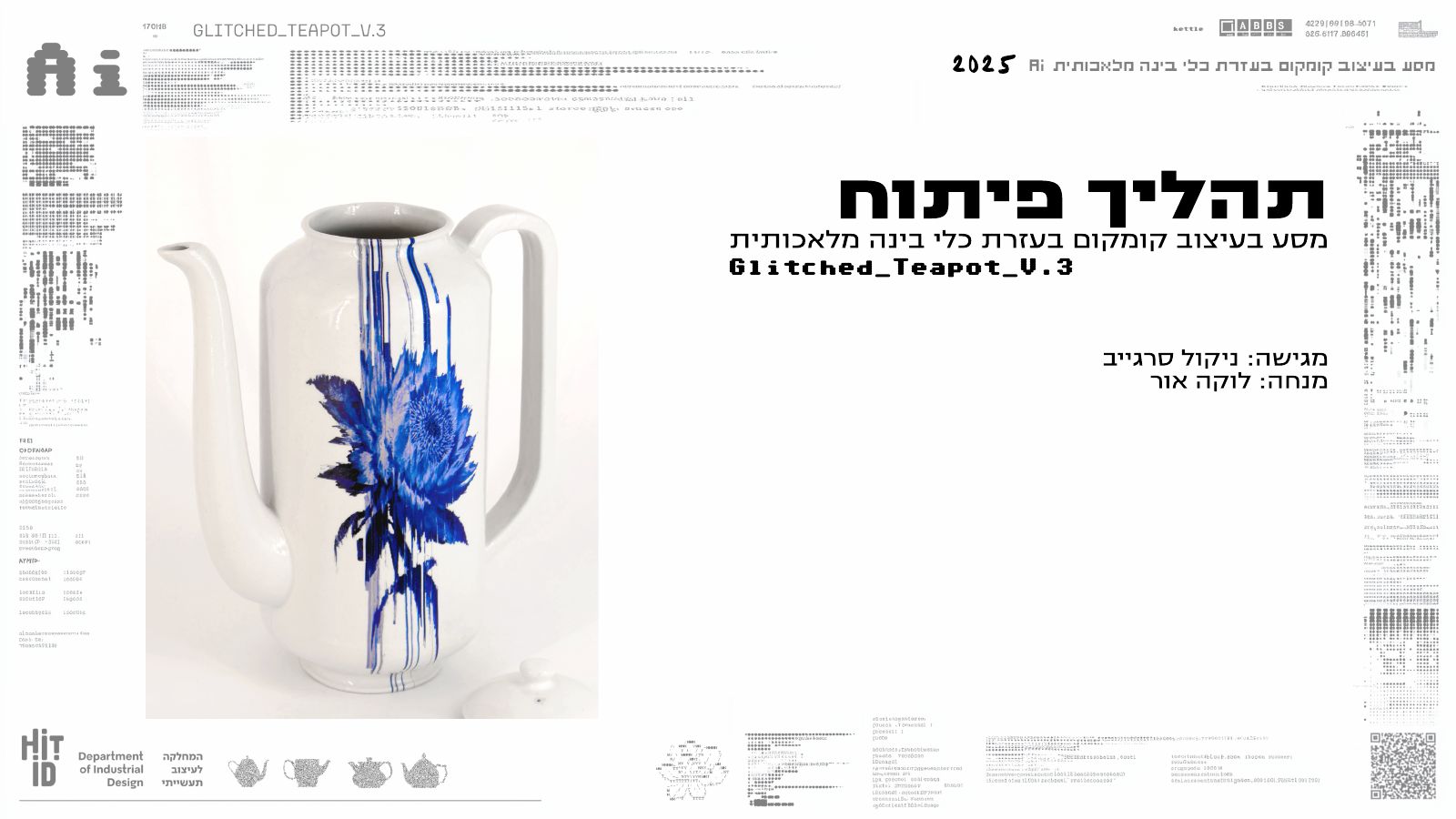
My final project: a ceramic teapot used as a framework for asking what the industrial designer’s role is in the age of AI.
Why?
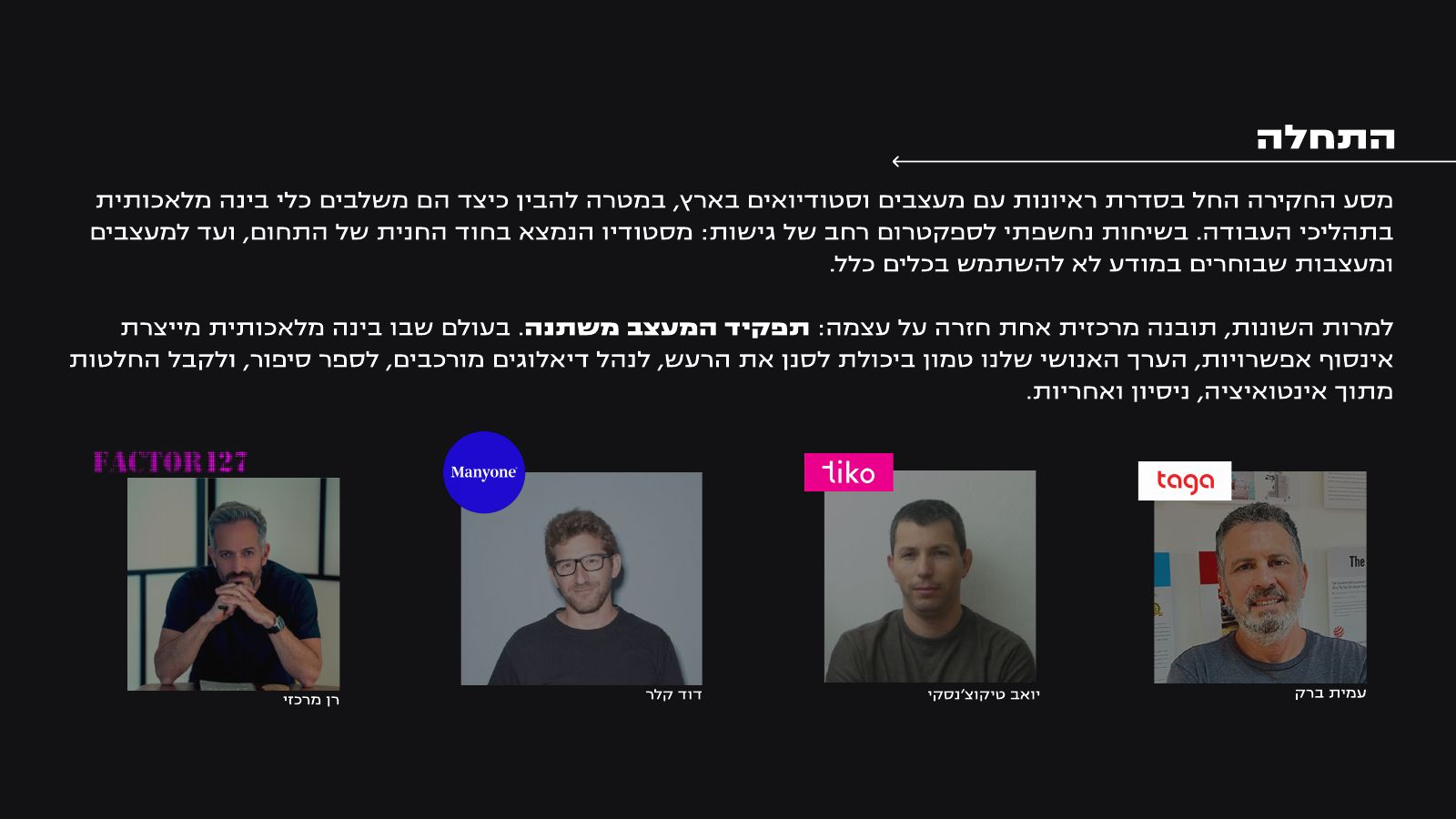
AI is changing how products are designed. I wanted to find out, through a real object, what stays distinctly human: judgment, intuition, material knowledge and choosing a direction.
How?
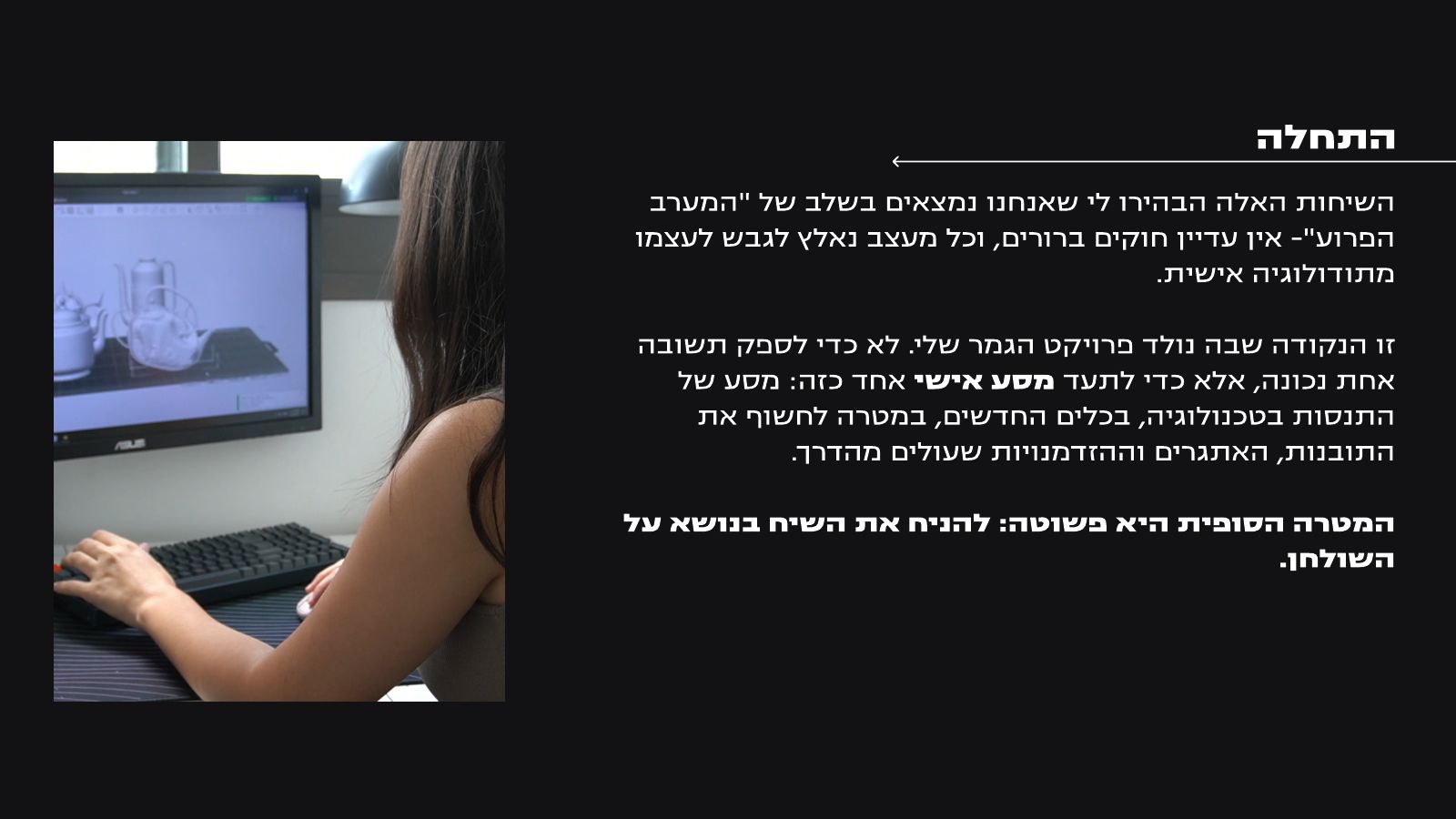
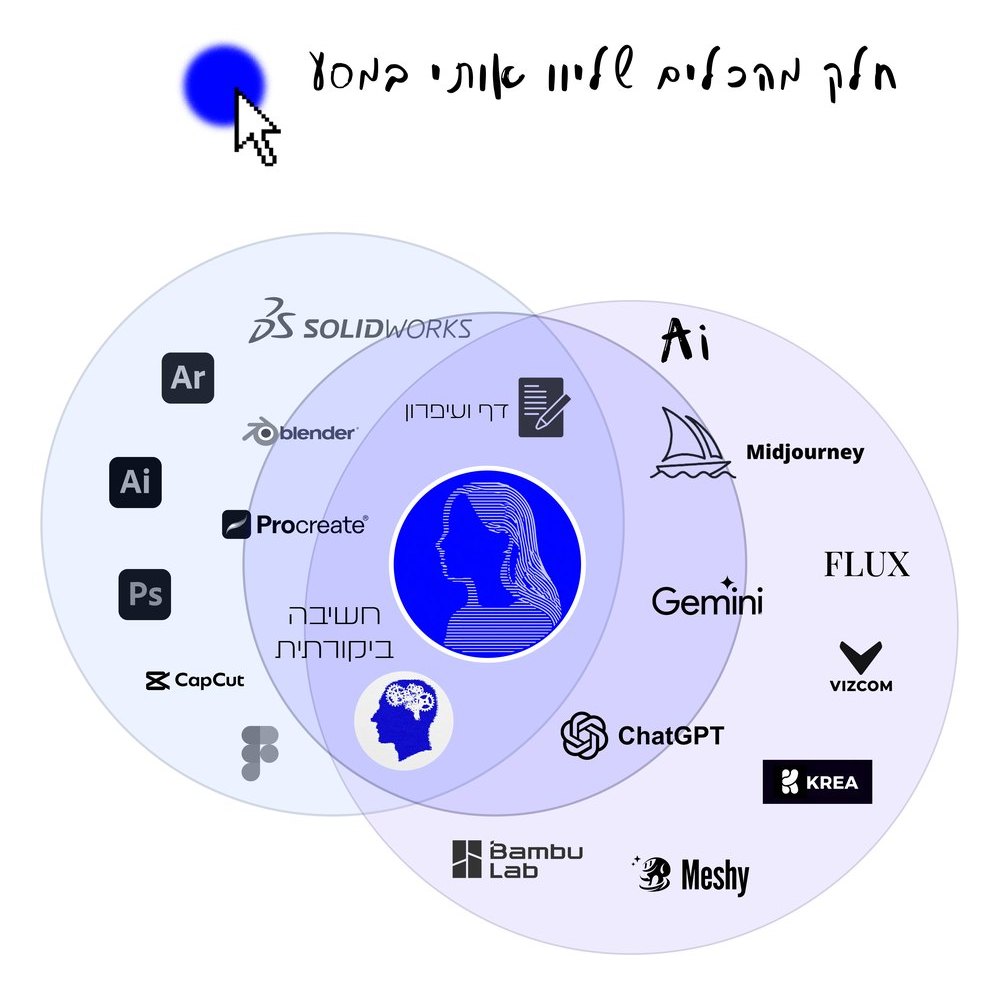
A year of moving back and forth between AI (exploration, iteration, dialogue) and sketching, SolidWorks and ceramic production. The gap it exposed led to an idea: designers building their own digital partners.
Read the full story
Final project exploring how AI changes the role of the industrial designer. What is the role of the industrial designer in the age of AI?
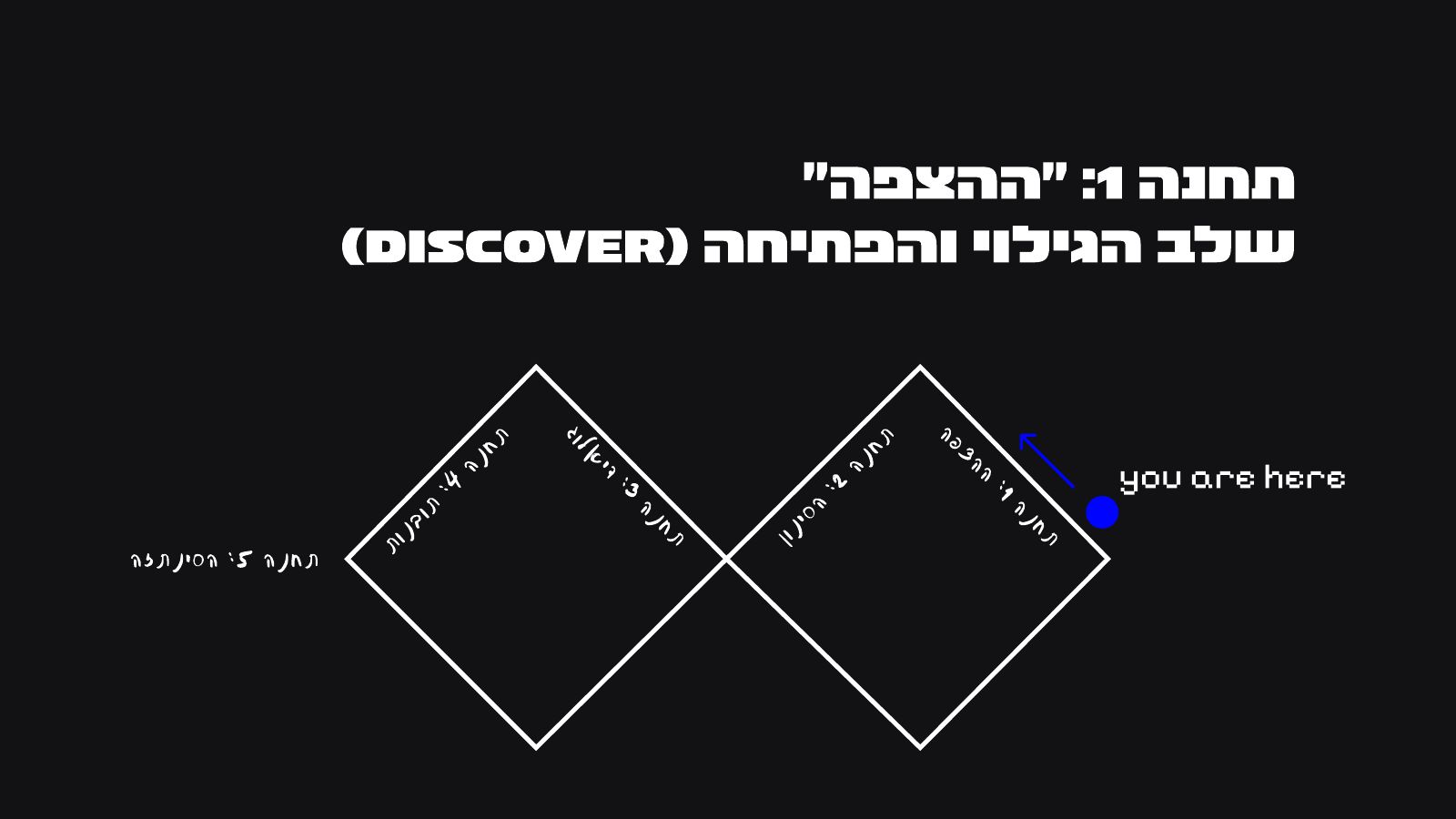
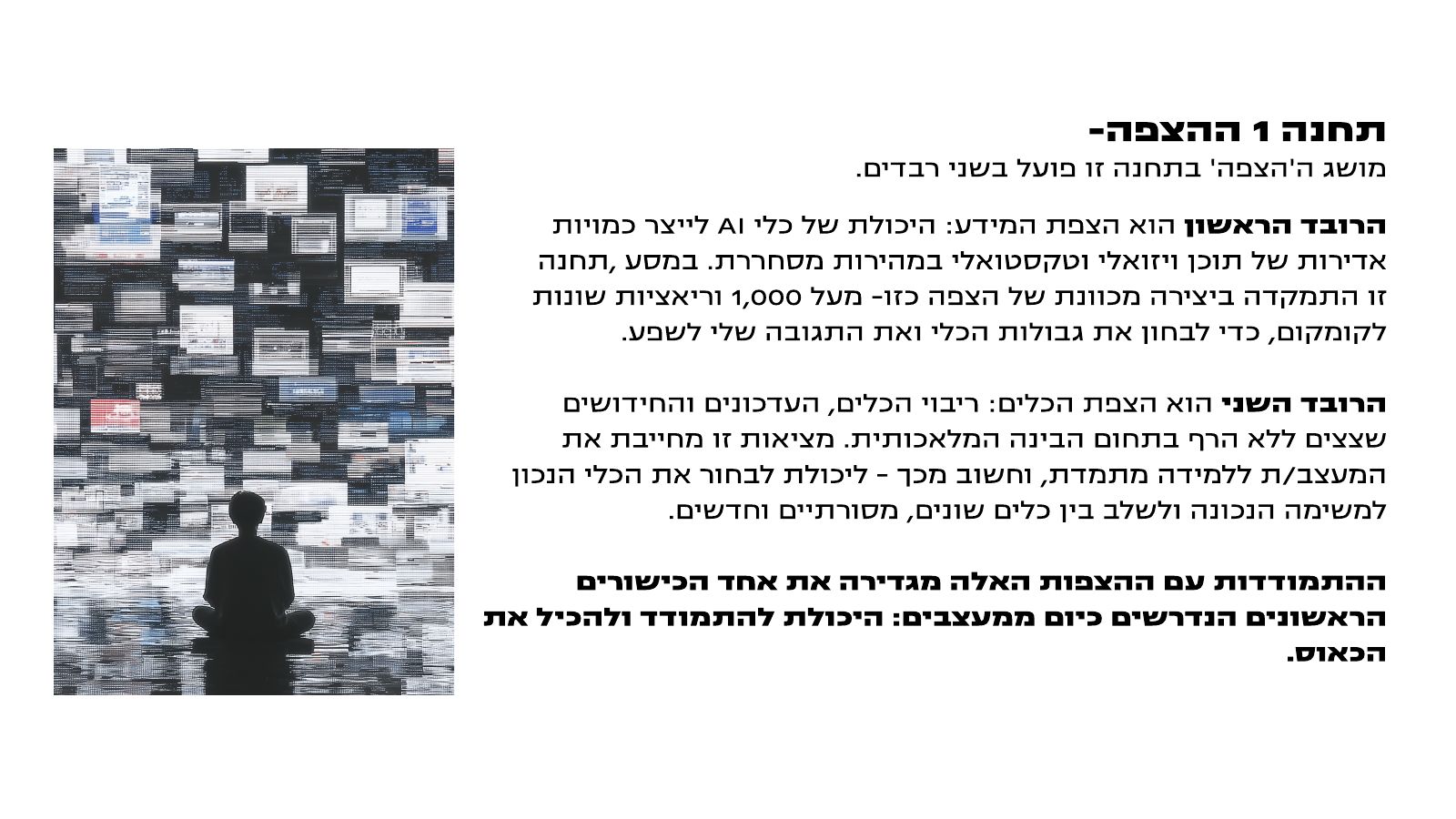
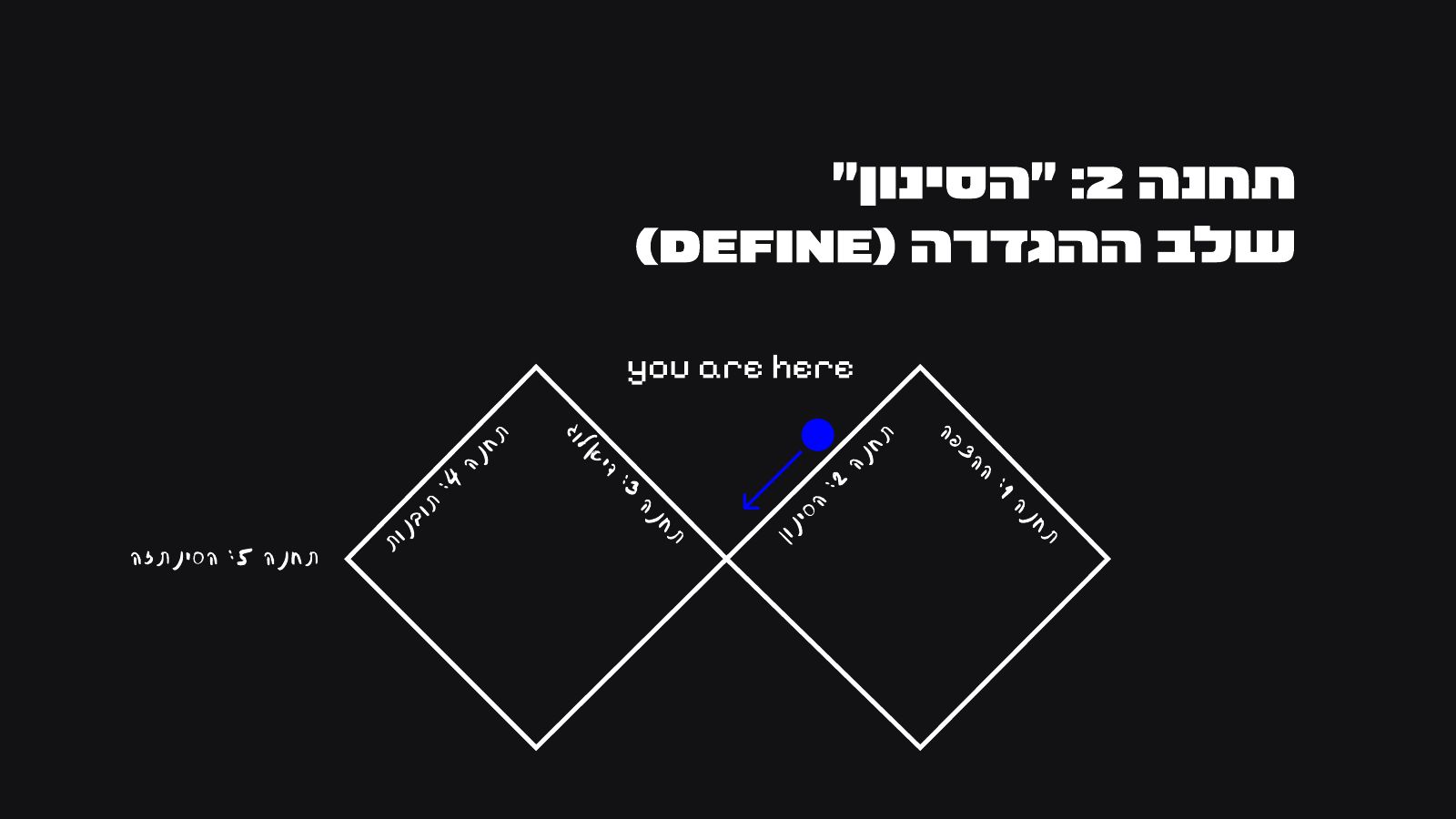
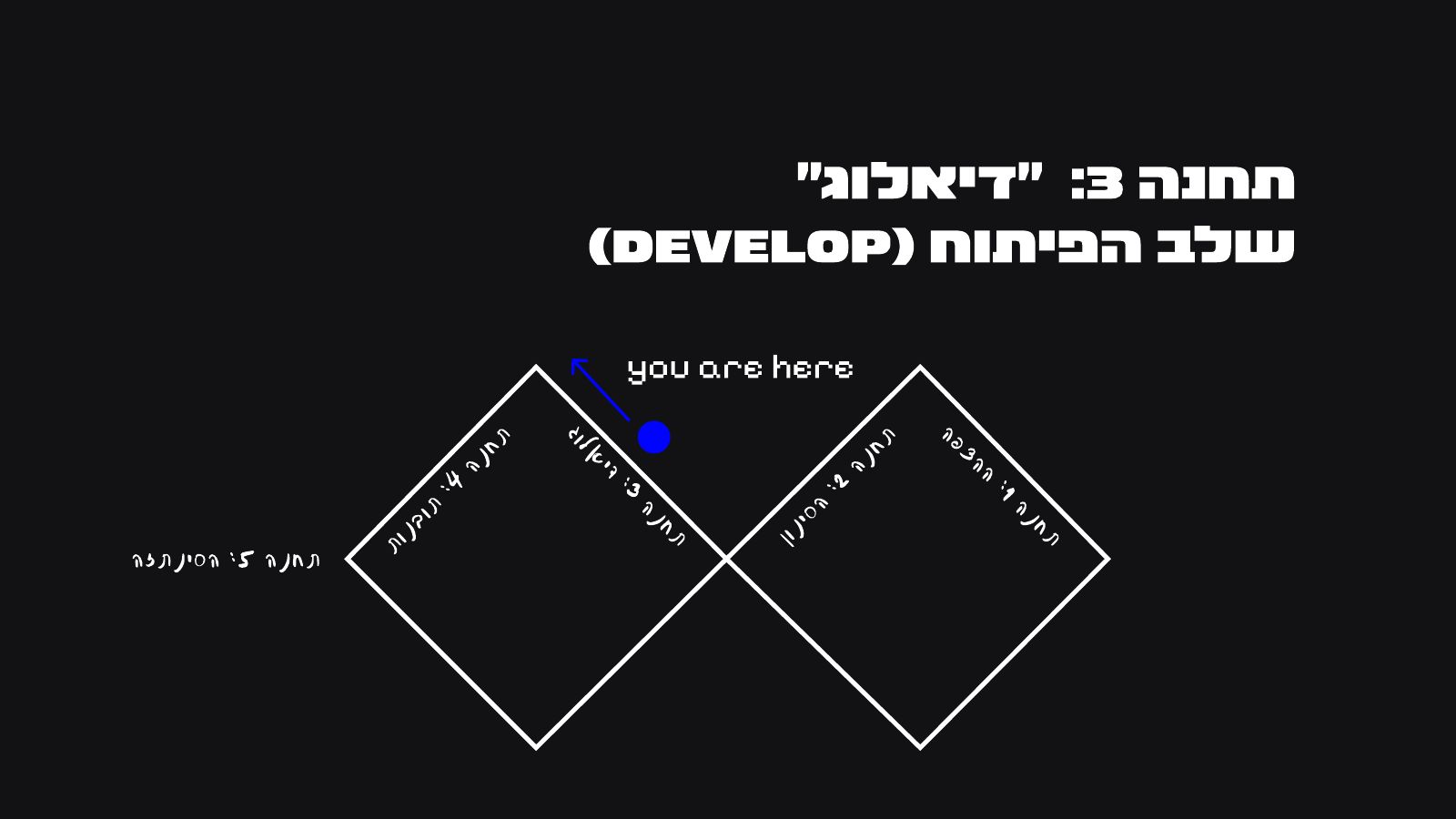
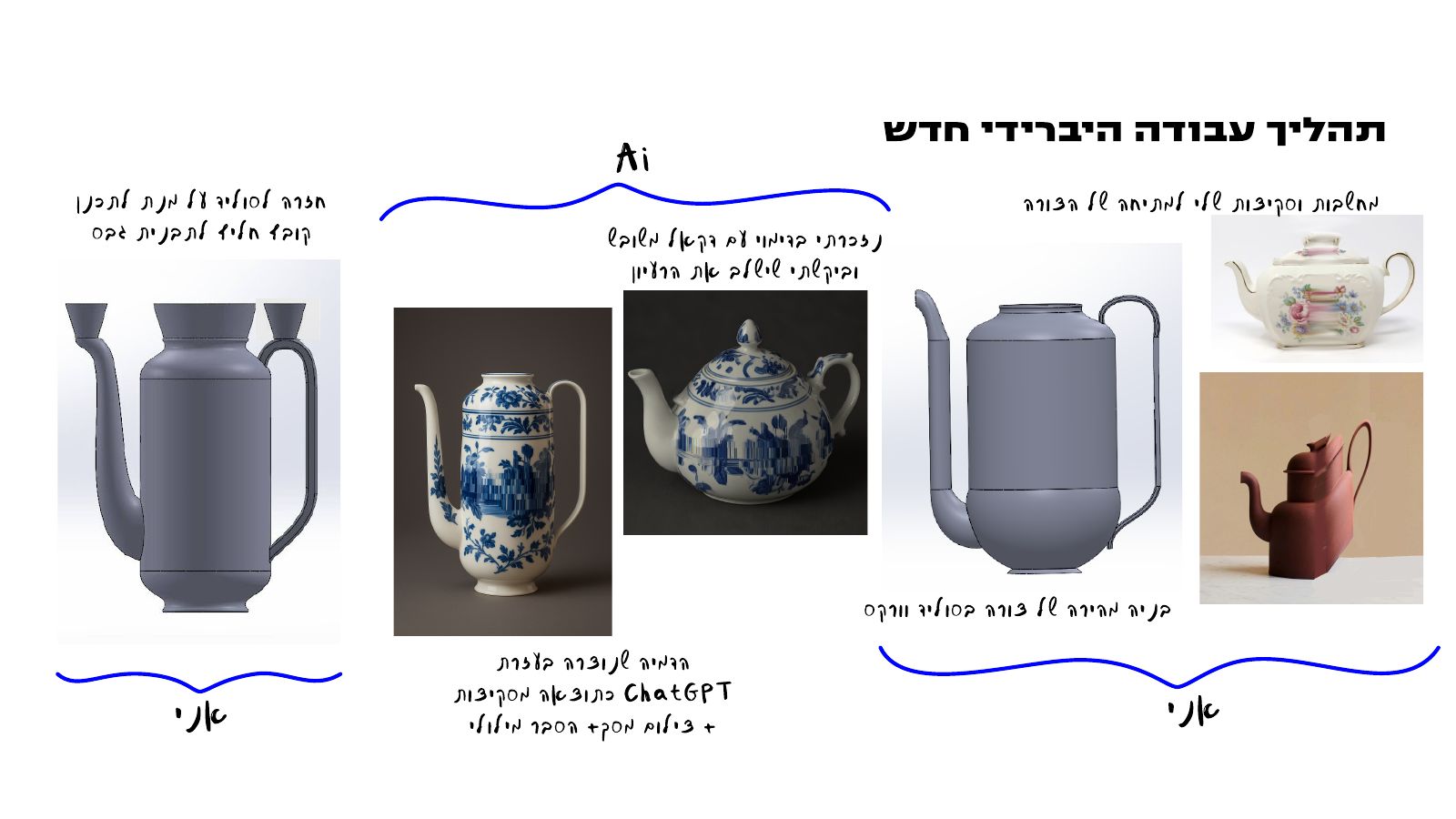
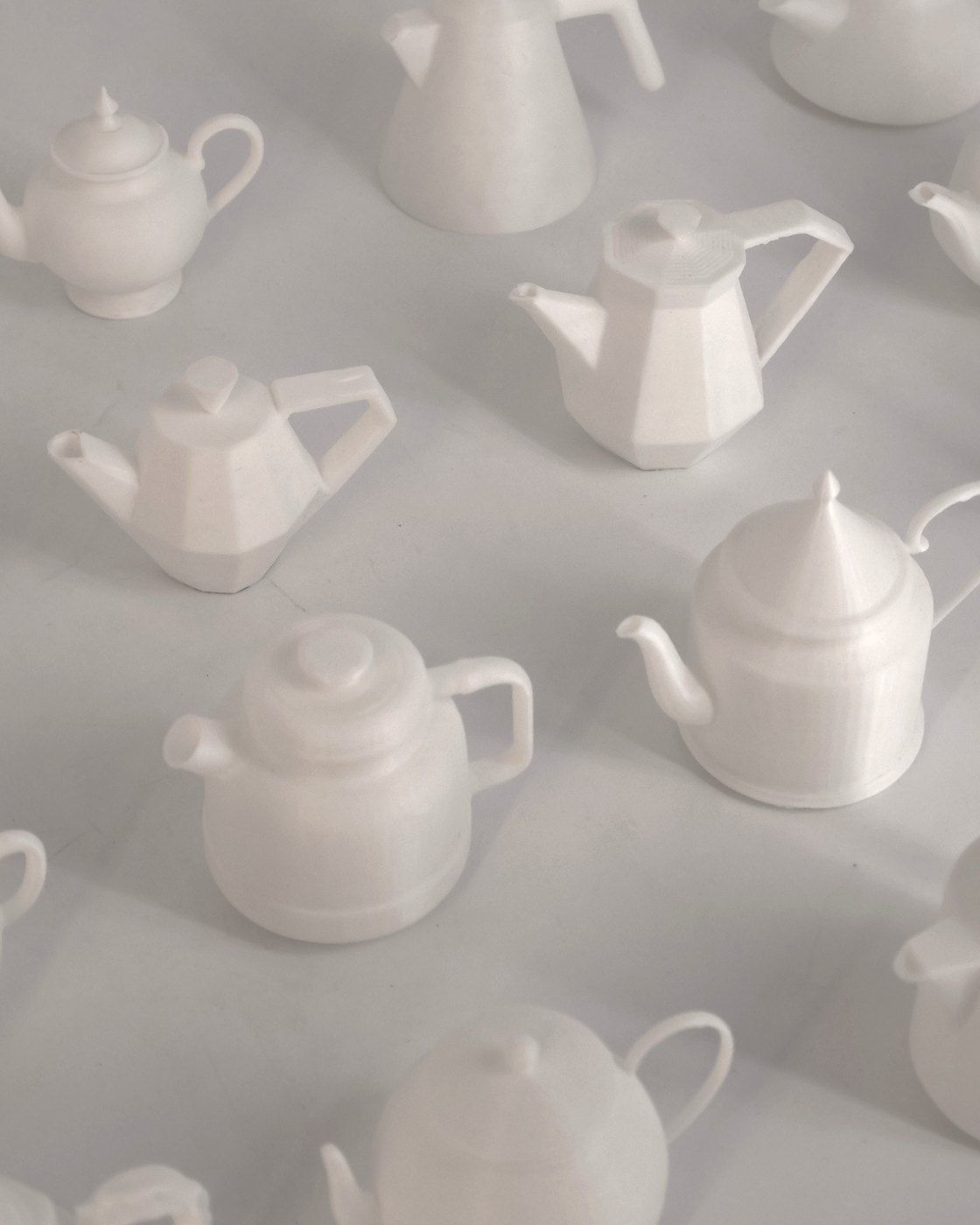
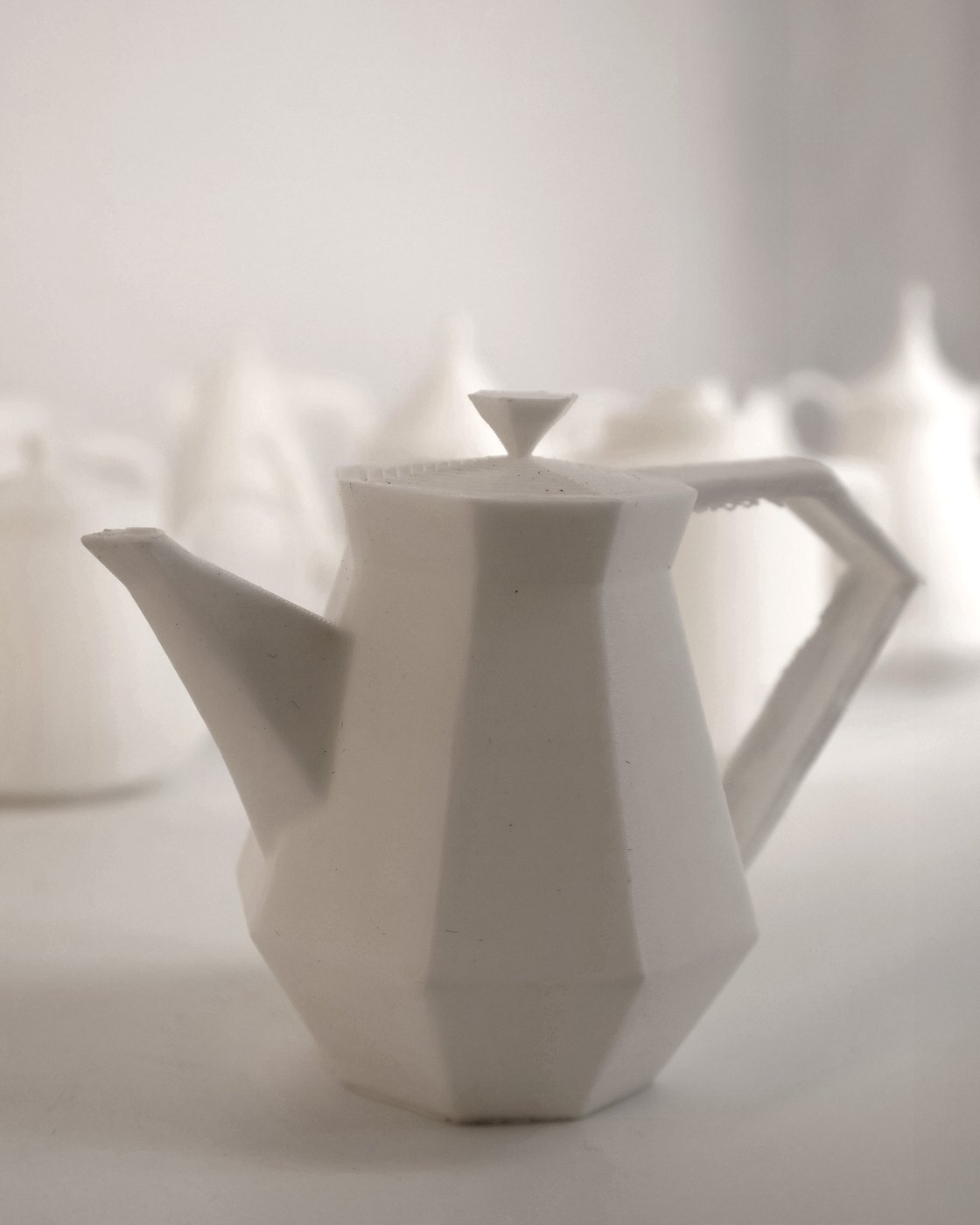
My final project used the design of a ceramic teapot as a framework for exploring that question. Over the course of a year, I experimented with AI across different stages of the design process, from generating and filtering hundreds of directions to developing concepts through an ongoing dialogue between digital tools, CAD, physical making and ceramic production.
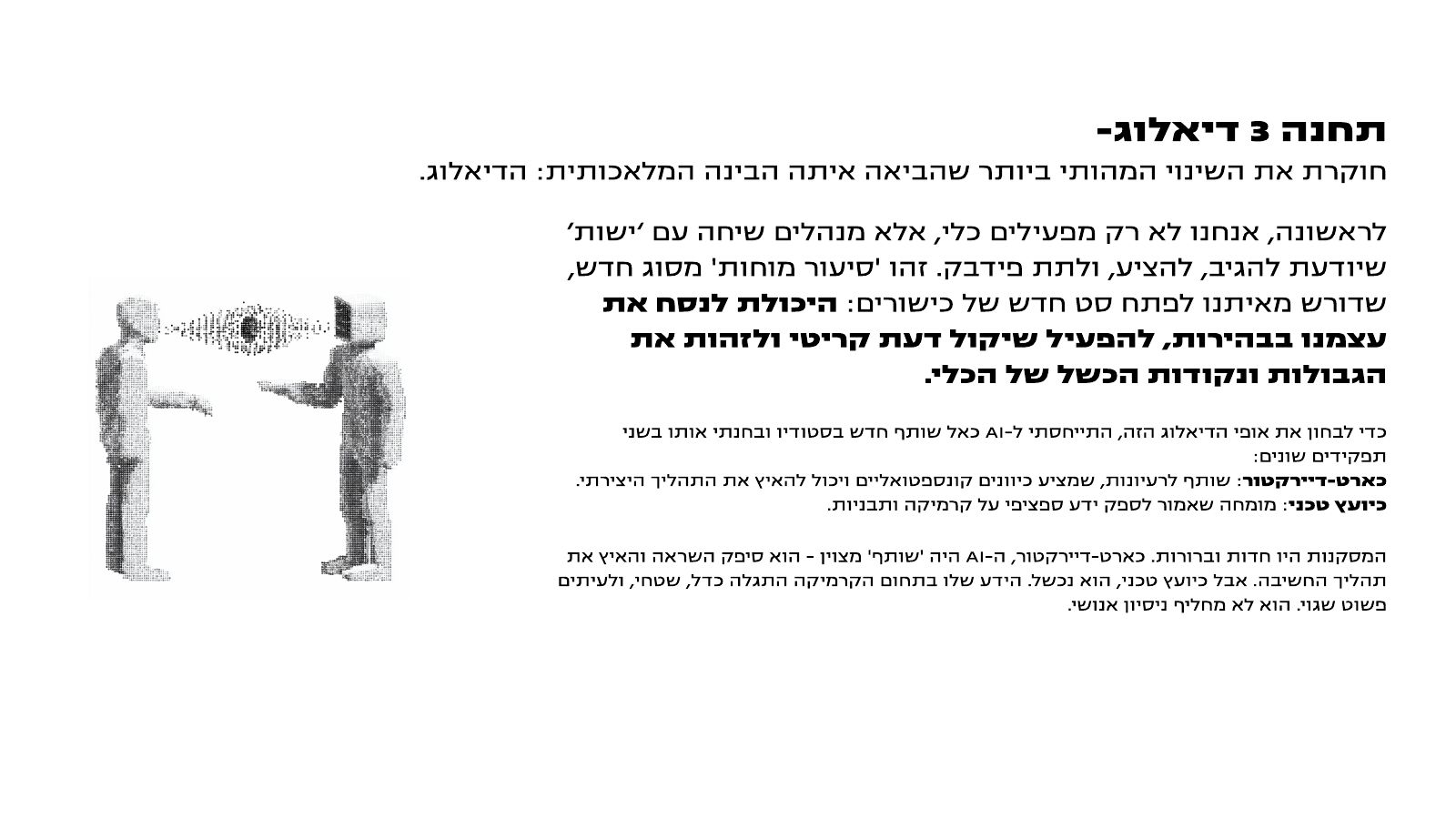
Rather than searching for a single "AI-designed" object, the project became an investigation into what remains distinctly human in the design process: judgment, intuition, critical thinking, material knowledge and the ability to choose a direction from an overwhelming field of possibilities. The process moved back and forth between human and machine. I sketched, modeled in SolidWorks, tested physical constraints and worked with ceramic processes, while AI was used for visual exploration, iteration and dialogue.
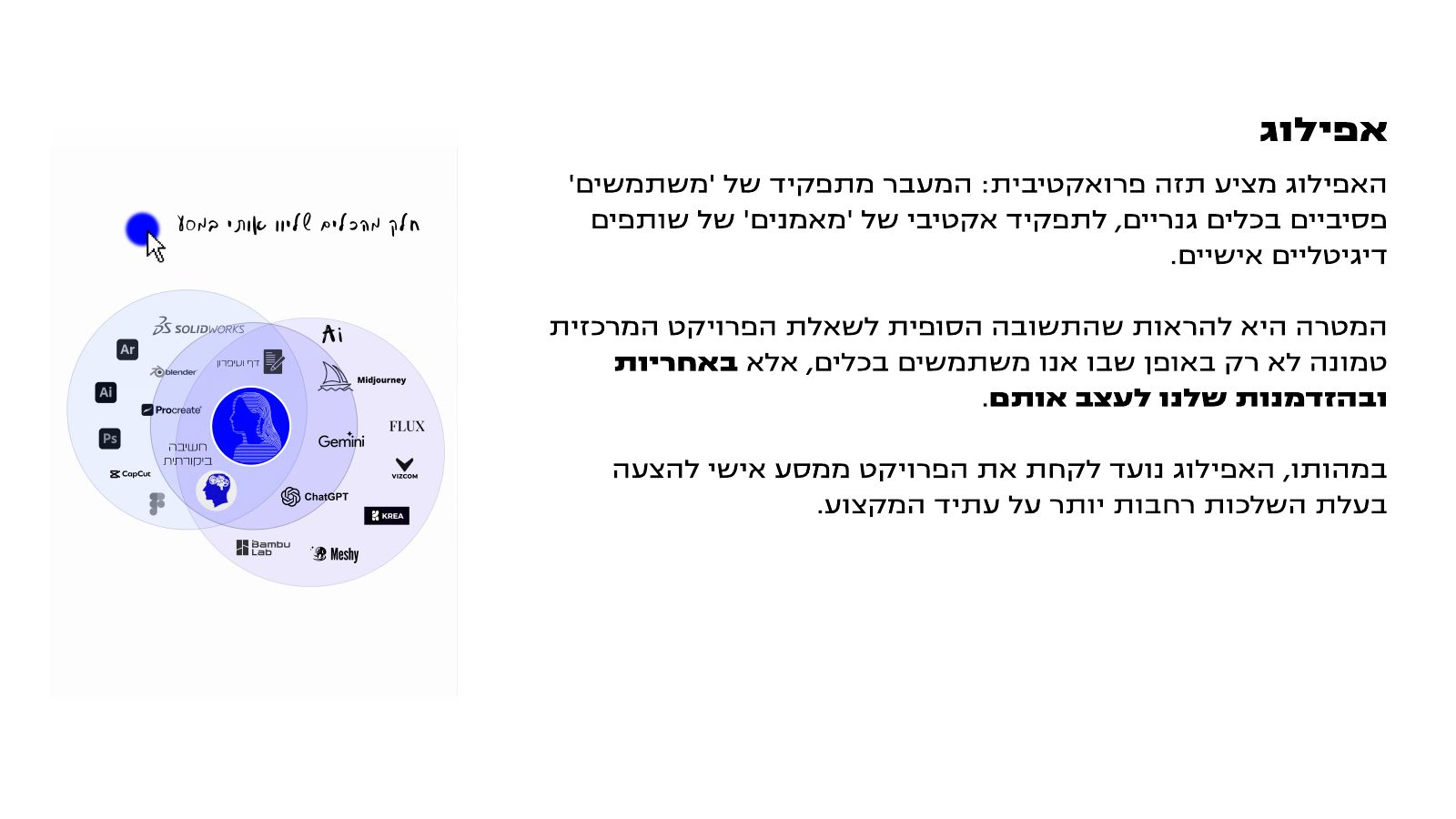
At its best, it accelerated ideation and helped expose new directions. At its worst, it produced noise, shallow technical advice and an excess of possibilities that still required human judgment to navigate. Designers should not only learn how to use AI tools. We should take part in shaping them.
Working this way for a year also meant constantly relearning the tools themselves — new models, new interfaces, whole workflows rebuilt every few months as the tools changed under me. That instability became a lesson of its own: continuous adaptation isn't a phase design practice passes through on its way to AI settling down — it's becoming a permanent part of what the job is.
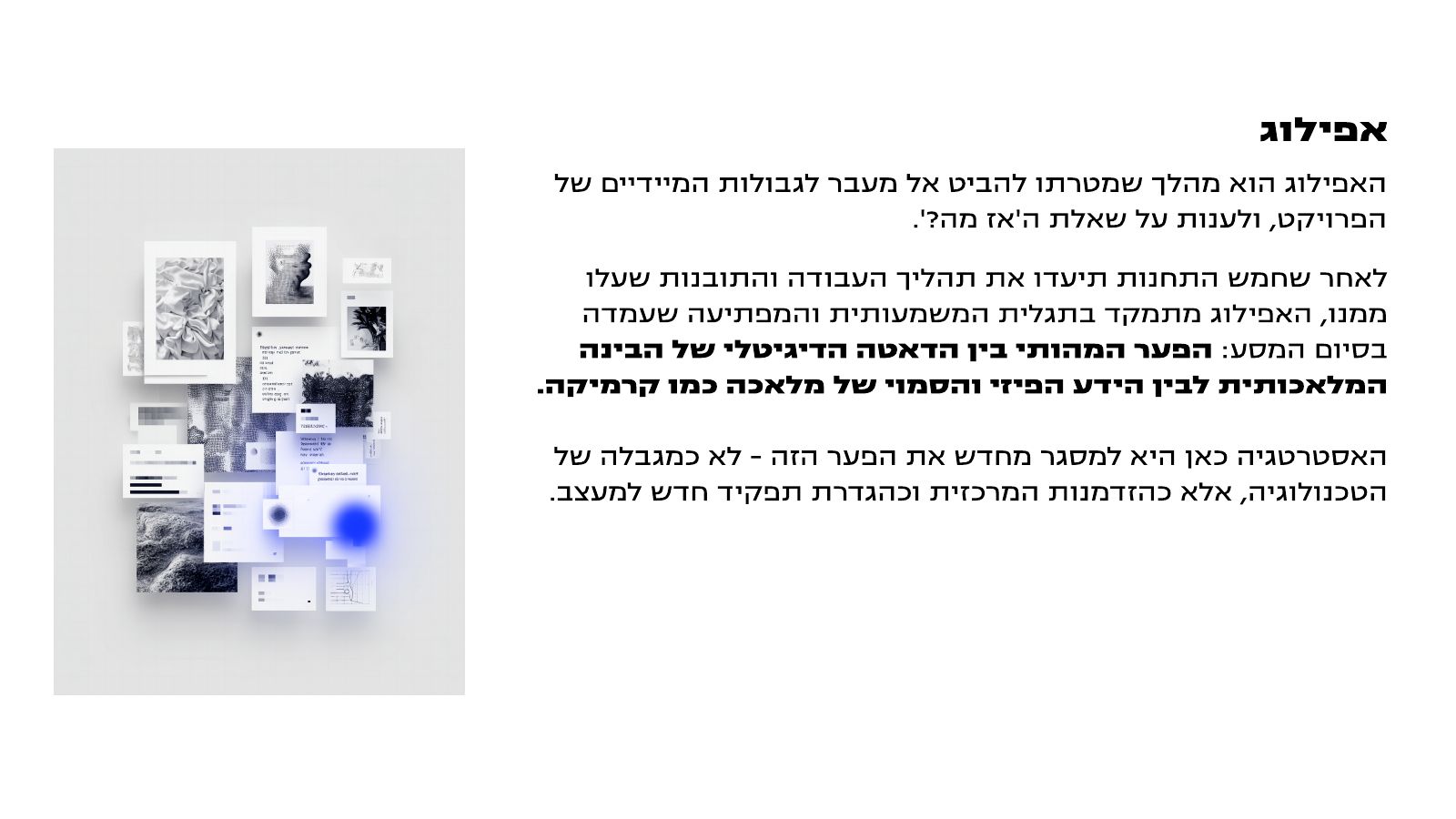
The project ultimately exposed a gap between digital AI systems and the tacit, physical knowledge held by designers, craftspeople and workshops. Ceramic knowledge, for example, is deeply embodied and difficult to translate into datasets. Rather than seeing that gap only as a limitation, I began to see it as a design opportunity.
What if designers could build and train their own digital partners, shaped by their methods, values, material knowledge and way of thinking? The next design tool might itself be something we design.
 Go deeper
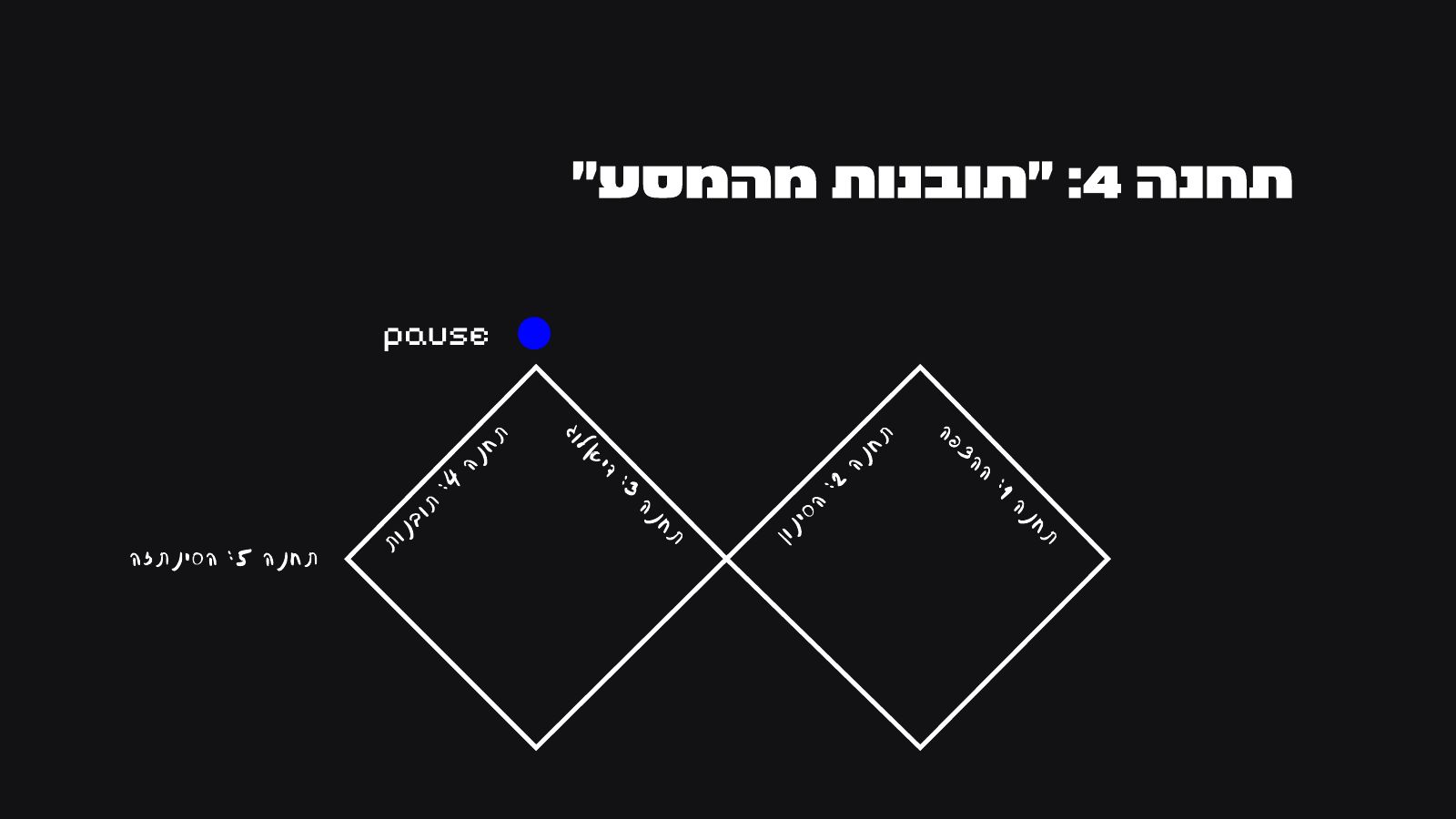
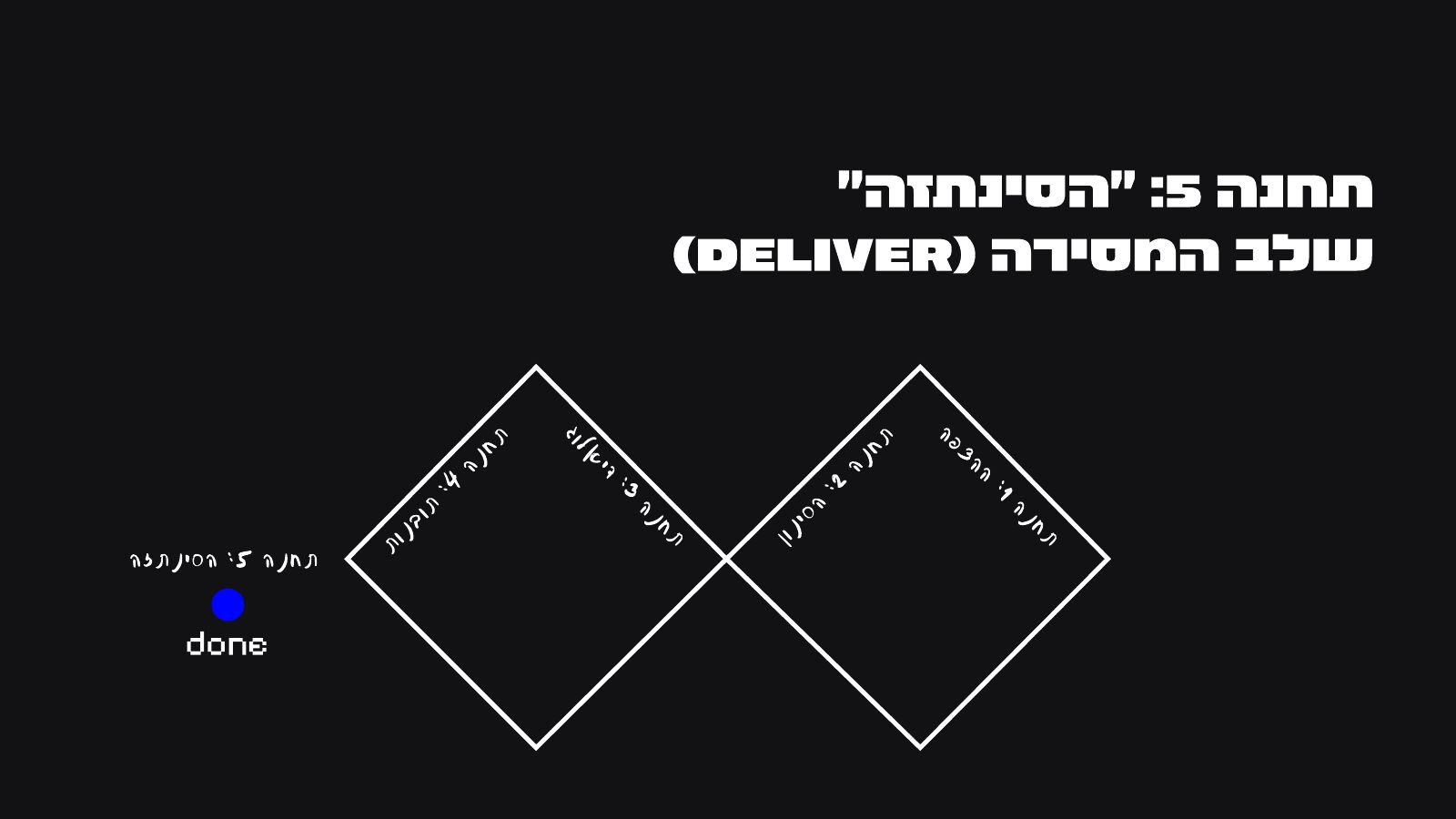
The full development process
22 pages — from the first flood of images, through filtering, dialogue and synthesis, to the final object (in Hebrew)